Is your loved one missing? See our dedicated site with advice, a checklist and templates.
Coronial Information Session
May 2026
In long-term missing persons cases, families may find themselves interacting with the Coroners Court at some stage. We know that engaging with the Coroners Court can be one of the most challenging experiences a family can face. This session has been designed to give family members clear, honest information about how the coronial system works, while honouring the very personal nature of the topic. The topics discussed can be confronting, and it is completely natural if they stir up strong feelings. Please prioritise your wellbeing when viewing this session and beyond.
This session brings together experienced professionals and lived experience to provide practical information, explain key stages of the process, and answer the questions that families most often have.

Expert panellists
Jacqui Hawkins is a Board Member at The Missed Foundation and a former Deputy State Coroner with a 25-year legal career spanning senior judicial leadership, complex investigations and high-profile inquests, including the Bourke Street inquest and veteran suicides. She was previously a Partner in the Workplace Relations & Safety practice at Lander & Rogers, specialising in occupational health and safety. After stepping away from the bench, she retrained in the science of human behaviour and founded Lit Within, where she works with senior leaders navigating transition, burnout and identity beyond role. When she’s not coaching, you’ll find her at the beach, practising yoga, travelling, or lost in a book.

Stephanie Williams is a coroner with the Coroners Court of Queensland. Appointed on 11 December 2023, Coroner Williams presides as the Far Northern Coroner from Cairns. Prior to becoming a coroner, Coroner Williams practiced as a solicitor and barrister in the criminal, domestic and family violence, child protection and coronial jurisdictions. Her passion for the coronial jurisdiction ignited in 2011 when she was employed as in-house counsel assisting the Northern Coroner. After leaving the court in 2015 to join the private bar, Coroner Williams went on to represent individuals, companies, government departments, and continued to assist coroners as counsel assisting, in inquests across Queensland and the Northern Territory.
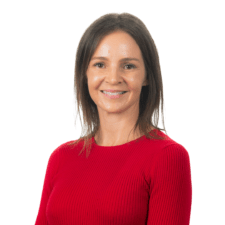
Dr. Jodie Leditschke (PhD) is currently the manager of the Coronial Admissions & Enquiries (CAE) and mortuary at the Victorian Institute of Forensic Medicine (VIFM). She has managed the CAE for over 10 years and has over 30 years’ experience in forensic mortuaries including the management of mortuaries following disasters here in Australia and internationally. The CAE coordinates the initial stages of the coronial investigation including the communication with families. She is part of a team that regularly reviews long-term missing persons reported to the coroner. She is an Adjunct Lecturer at Monash University and Founding Fellow, Faculty of Science, RCPA.
Support team
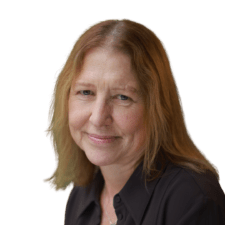
Sarah is an Accredited Mental Health Social Worker and Grief and Bereavement Counsellor with over 19 years’ experience supporting individuals and families through sudden loss and complex grief. She has previously worked as a Forensic Counsellor within the NSW coronial system and has also supported families of long-term missing persons through her work with Families and Friends of Missing Persons. She now works alongside people navigating grief, trauma and life transitions, offering a warm, trauma-informed and culturally safe counselling approach grounded in compassion and connection.
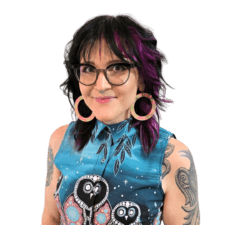
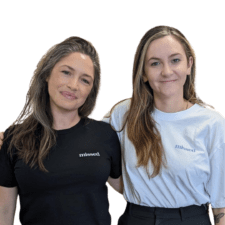
Loren O’Keeffe is the CEO of The Missed Foundation and has spent over 13 years supporting families of missing loved ones. Lili Greer works with families in Missed’s network as the Family Liaison. After navigating the coronial process in 2023, Lili recognised how many questions can arise and how much information families are often left to find on their own. This session aims to bridge that gap and ensure no one has to navigate the system without support.
Session overview
1. The Coroners Court
- Powers and roles: what a Coroner can and cannot do, and how the various roles within the court differ.
- Standard process: the typical journey of a case through the Coroners Court from beginning to end.
- Findings vs. inquests: how a formal inquest differs from a coronial finding.
4. Legal Rights and Advocacy
- Requesting an inquest: how families can advocate for a hearing and the role of Legal Aid or private representation.
- Presumed death: the process of seeking a finding to allow families to manage the affairs of a loved one.
- Accessing evidence: families rights regarding the Brief of Evidence.
2. The Forensic Process
- Human remains and identification: navigating forensic registration, DNA collection, and national matching.
- Clinical language: preparing for the technical terminology commonly used in forensic and medical reports.
5. Public Narratives and Impact
- Media and social media: managing public interest, the benefits and risks of engagement, and legal restrictions during active proceedings.
- Victim impact statements: the purpose of sharing your story in court and why the court may edit statements to adhere to legal no-blame frameworks.
3. Police Reports and Initial Coronial Processes
- The Police Brief: how long the brief takes to compile and the role of the Coronial Services Unit.
- Case management: how investigations are prioritised and how families can stay informed during active homicide or missing persons investigations.
6. Outcomes and Self-Care
- Delivering findings: timelines for the Coroner’s final report and how government agencies respond to recommendations.
- Coping strategies: practical tools for self-regulation and grounding during the emotional peaks of the coronial journey.
Please note: this session is intended as a guide only and does not constitute legal advice
Crisis Support — Available 24/7
non-Crisis support
Follow us
Acknowledgement of Country
The Missed Foundation acknowledges the Aboriginal and Torres Strait Islander peoples as the first inhabitants of the nation and the traditional custodians of the lands where we live, learn and work.


Acknowledgements
We welcome all cultures, all religions, all colours, all beliefs, all ages, all sizes, all types, all people.

Accessibility Statement
We are continually improving the user experience and applying the relevant accessibility standards.
Please let us know if you encounter any problems with the accessibility of our site, via the link below.
Missed is a registered charity with Deductible Gift Recipient status from the Australian Taxation Office
© Copyright The Missed Foundation 2026 | ABN: 56 606 576 914 | Privacy Policy