Is your loved one missing? See our dedicated site with advice, a checklist and templates.
Get support
Having a loved one disappear isn’t a scenario anyone is ever prepared for
Time is of the essence, and yet those directly affected are often overwhelmed by the panic, shock and a sense of helplessness and hopelessness.
It’s important to know and feel that you are not alone in this.
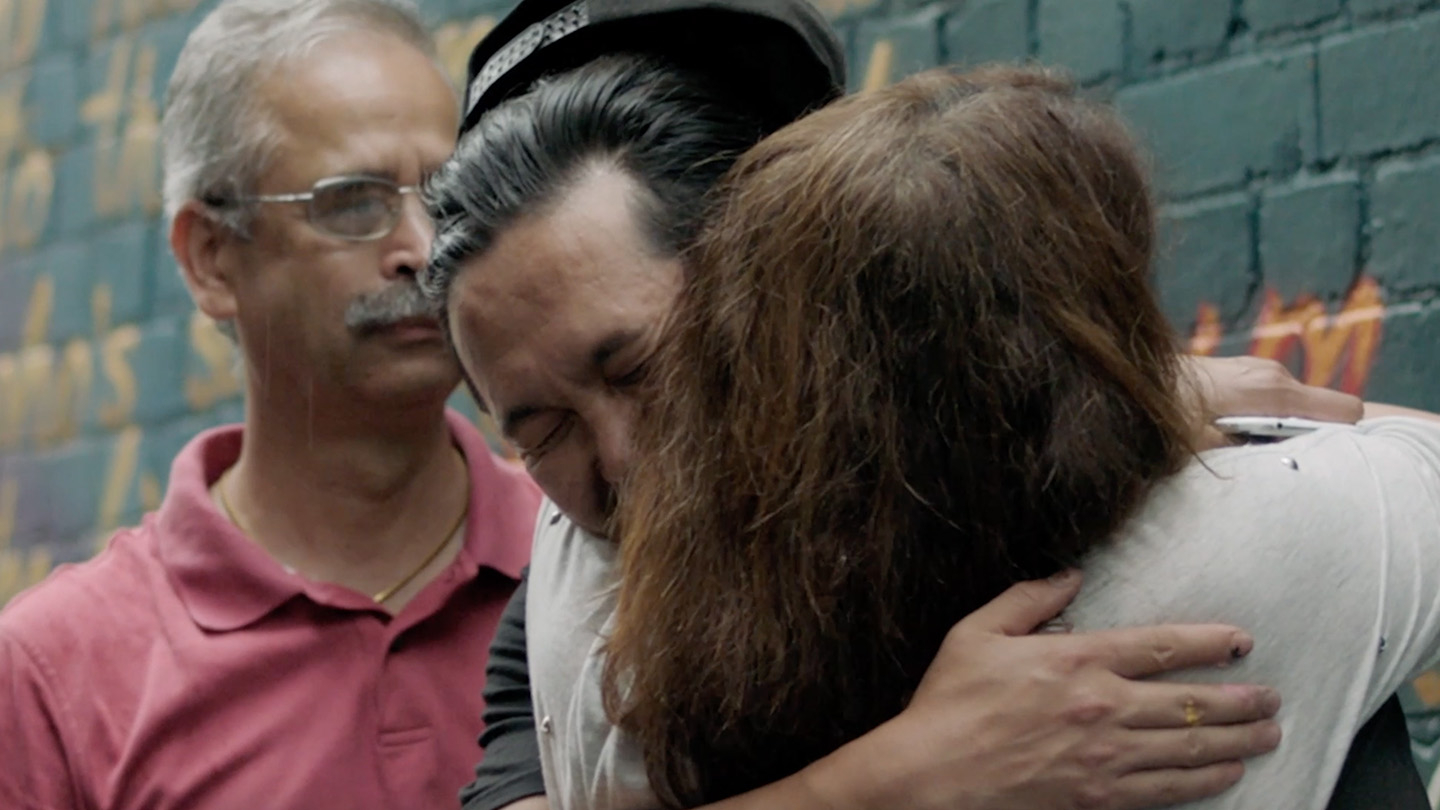
Words can’t describe how important having someone to guide us through such an unknown process, who to speak to and what to do to find our loved one is.
– Daughter
Our approach
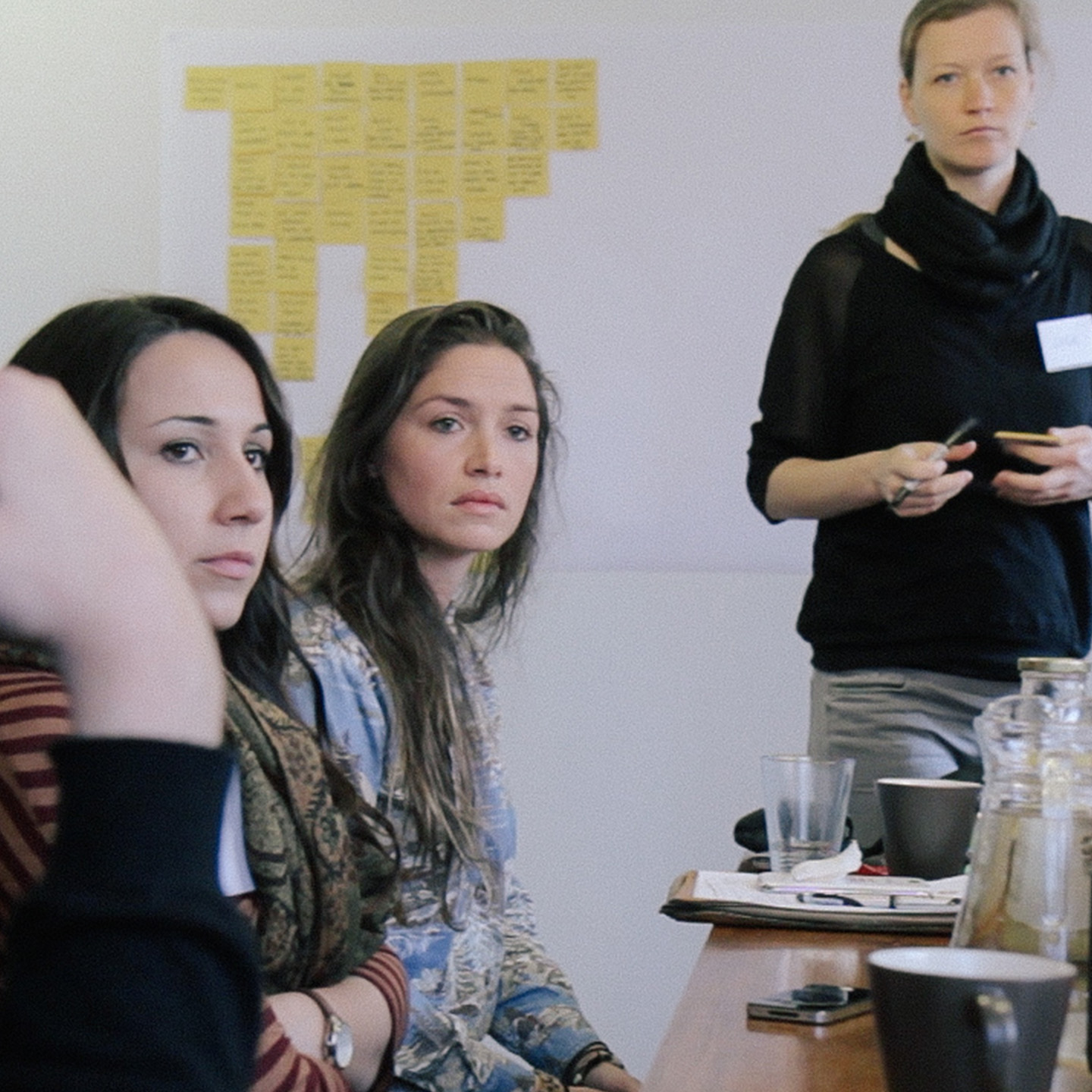
Initially, and understandably, the focus is very clearly on communicating the likeness and circumstances of the person reported missing. This should be done strategically; efficiently and in a manner that evokes the appropriate response whilst being mindful of preserving the reputation of the individual. Refer to our Missing Persons Guide for clear and practical advice, including templates for media releases, contact databases and more.
Once a disappearance becomes longer term, the importance of awareness broadens to include providing the public and policymakers insights into the administrative, legal, practical obstacles as well as the emotional and psychological torment experienced by the missing person’s loved ones. Naturally, sharing these experiences allows others in similar circumstances to feel understood, which fosters a sense of community and solidarity and can be a great comfort.
We recognise that these two types of support are interrelated, and we strive to meet the needs of everyone directly impacted by missingness, regardless of the circumstances of the disappearance.
The tools
Support tools
Just as the circumstances of every disappearance differ, everyone will have different response to a loved one going missing. Accordingly, a range of supports are required.
Practical and emotional tools


Our lived experience insights



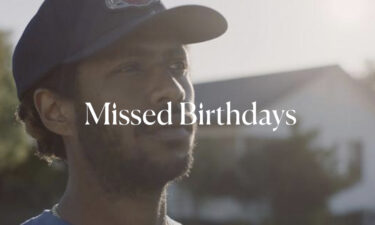
How we can support you

Media support
We can offer assistance with strategic communications, including media releases, pitching and fielding. Missed is in the process of developing media guidelines to ensure safe reporting and ethical journalism.
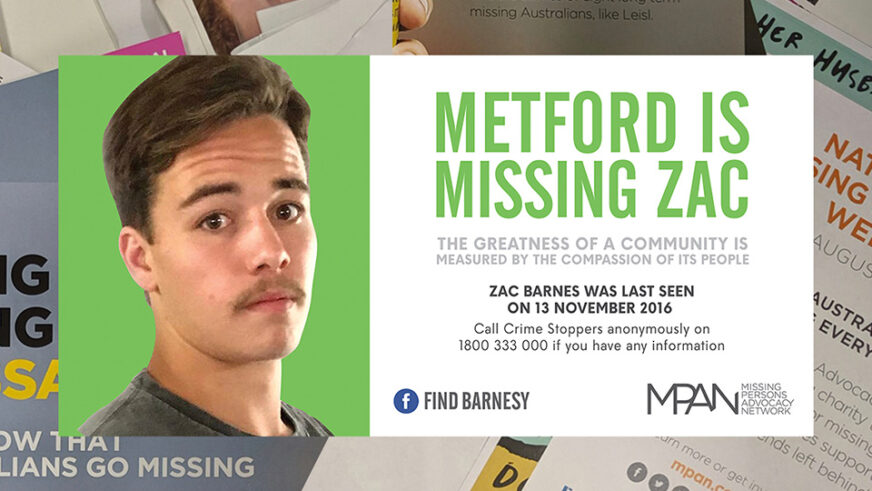
Graphic design
We have a volunteer, professional Creative Director that can thoughtfully design everything from posters and social media assets to podcast identities and billboards.
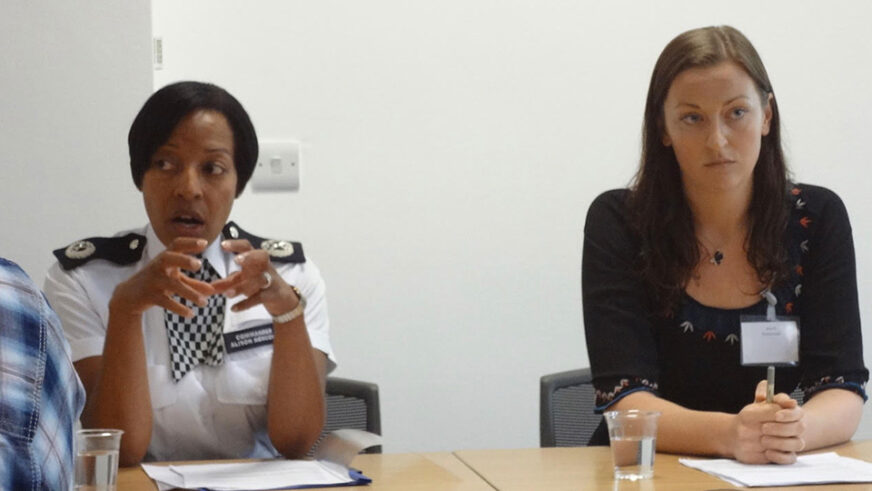
Legal and investigative specialists
We have a small network of compassionate lawyers, drone pilots, OSINT specialists and former police detectives that kindly offer pro bono advice and assistance (depending on their availability).
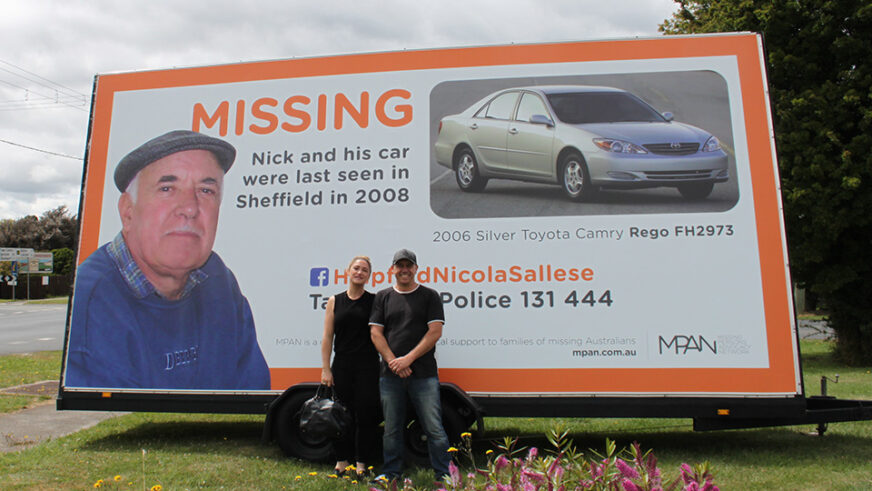
Billboards
The Mobile Billboard Company generously gives Missed an annual in-kind budget for printing, transporting and displaying large A-frame billboards across Australia.
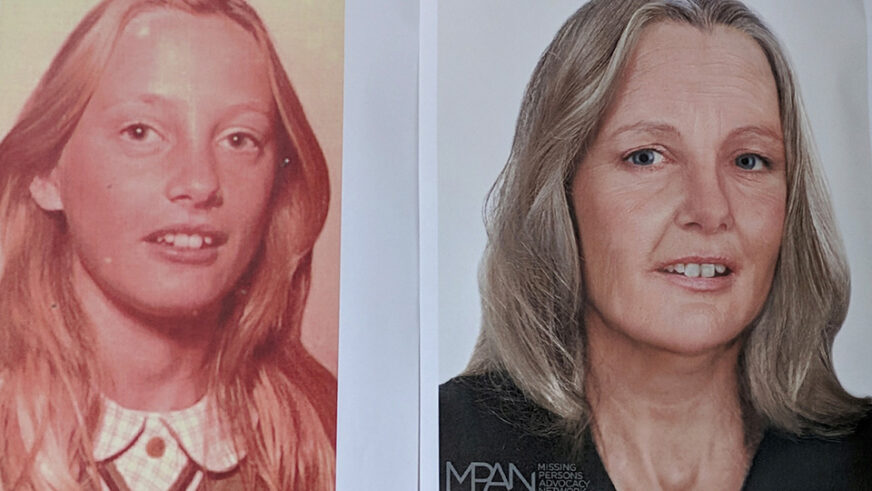
Age progression
An artist from the UK’s National Crime Agency’s Missing Persons Unit has offered us his help. The process is understandably quite involved (requiring multiple photographs and relevant information) but he can create images of what a loved one may look like over an extended period of time.

Research
We’re acutely aware of the impact having a loved one go missing can have. We conducted groundbreaking research to measure the magnitude of that impact in a way to aid us in our bid for government funding; the Cost of Missingness report.

Policy and legislative change
Disappearances cause administrative complications, but with only a fraction of cases becoming long-term, we believe we can work with government and corporates to minimise the harm to families. We plan to expand upon our success with Vodafone, creating policies for long-term missing customers across all relevant industries.
Letters of support
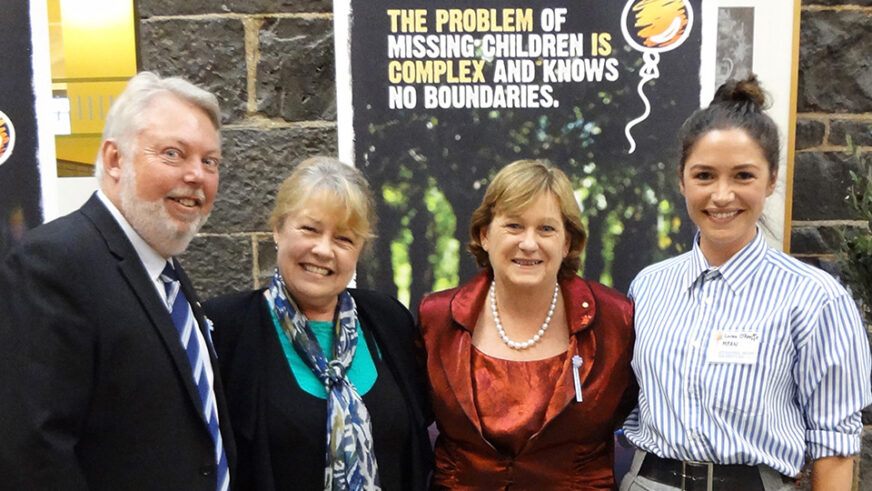
Over the years we have written letters of support to various ministers and authorities regarding Victims of Crime compensation and reward applications. We recognise the importance of recognition and representation, and offer this assistance whenever it is appropriate.
UNIQUE FORM OF GRIEF
Ambiguous loss
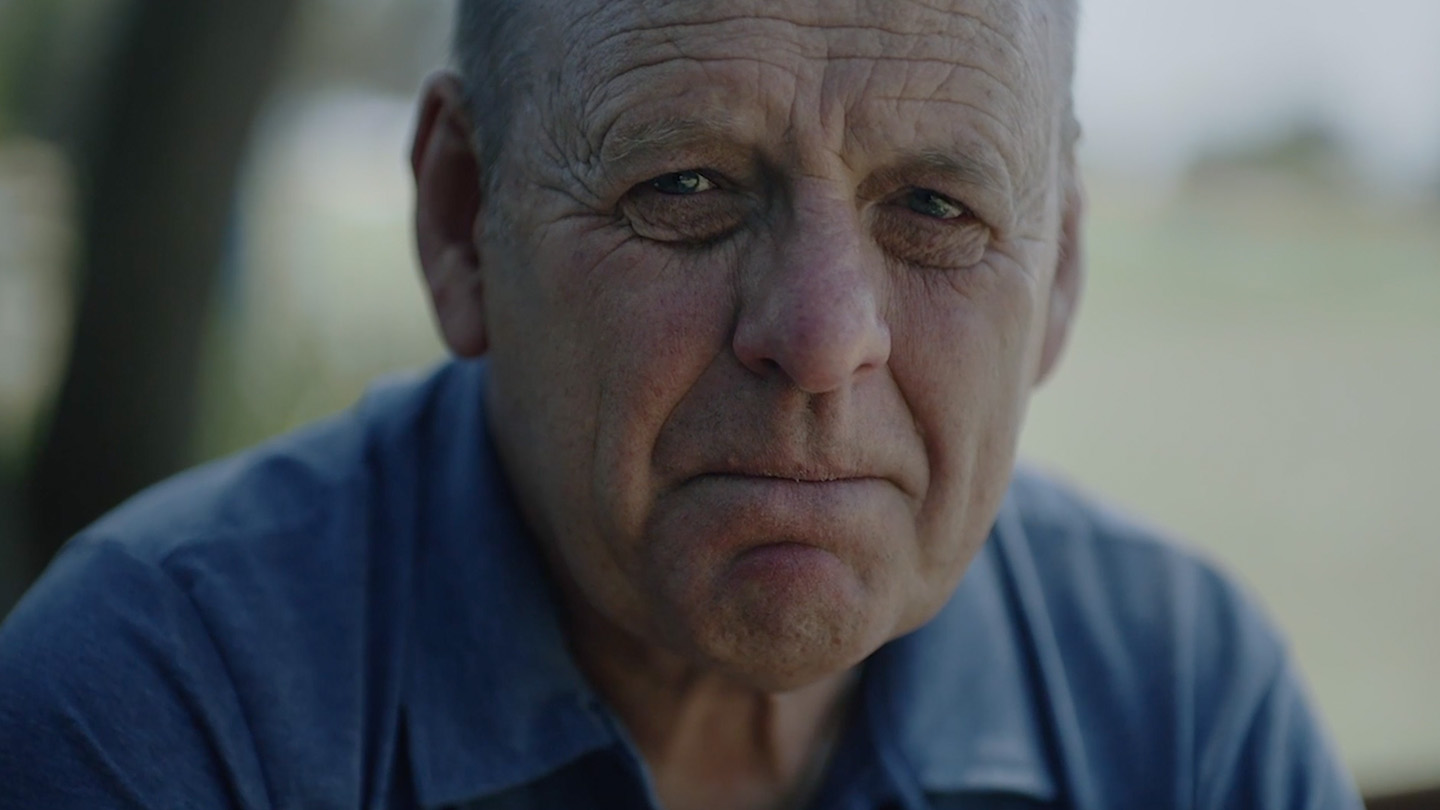
The type of grief families and friends of missing people experience is called ambiguous loss. Psychologists consider it to be one of the most traumatic kinds of grief and one of the most unmanageable forms of stress.
*Ambiguous Loss, the theory and the book; Emeritus Professor Dr Pauline Boss (Harvard University Press, 1999/2000)